Learn why modern dairy businesses need ERP software to control finances, improve margin visibility, reduce losses, and make data-driven decisions.
Continue ReadingNews & Insights
Tag: Dairy ERP Software
Optimize Complex Distribution & Last-mile Delivery With Dairy ERP Software
The dairy ERP software unifies distribution planning, inventory management, logistics execution, and last-mile delivery into a single, integrated platform.
Continue ReadingWhat is Dairy ERP Software? Features, Benefits, and Future Trends
The dairy ERP software offers various business modules that are integrated to provide real-time visibility into processes. The core dairy ERP software modules are
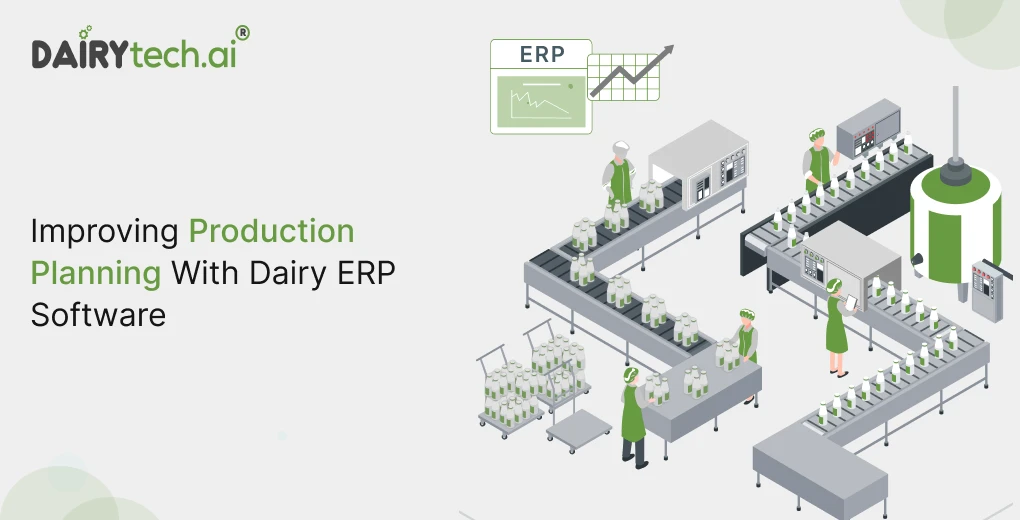
Continue ReadingImproving Production Planning With Dairy ERP Software
Dairy ERP (Enterprise Resource Planning) software is a specialized, industry-specific system designed to manage and integrate the core operational processes of dairy manufacturing.
Continue ReadingHow Dairy ERP Software Improves Quality Control Across the Supply Chain?
Quality control in the dairy industry focuses on ensuring that milk and dairy products meet strict safety, hygiene, and quality standards at every stage of the supply chain.
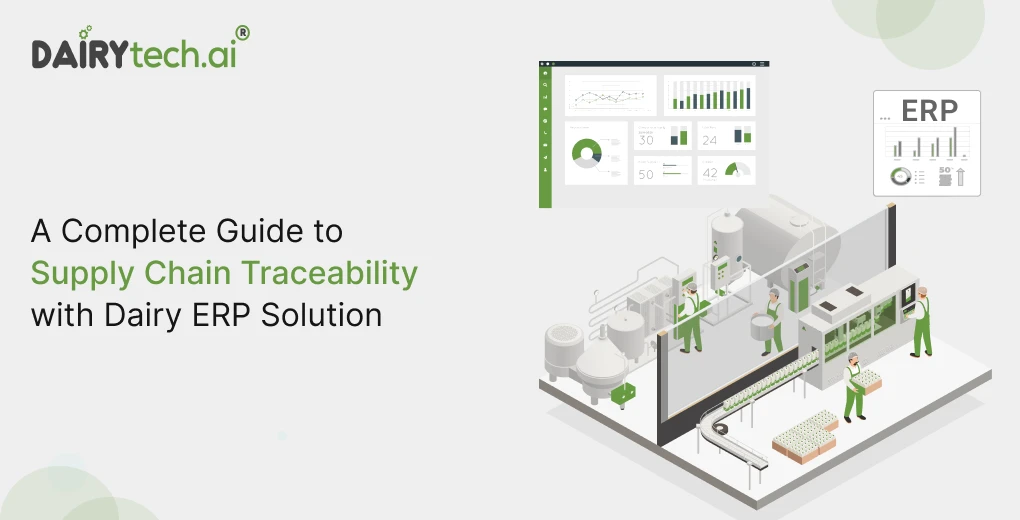
Continue ReadingA Complete Guide to Supply Chain Traceability With Dairy ERP Solution
A dairy ERP solution enables end-to-end traceability. It centralizes data, automates compliance, and provides real-time visibility throughout the supply chain, from milk collection to final distribution.
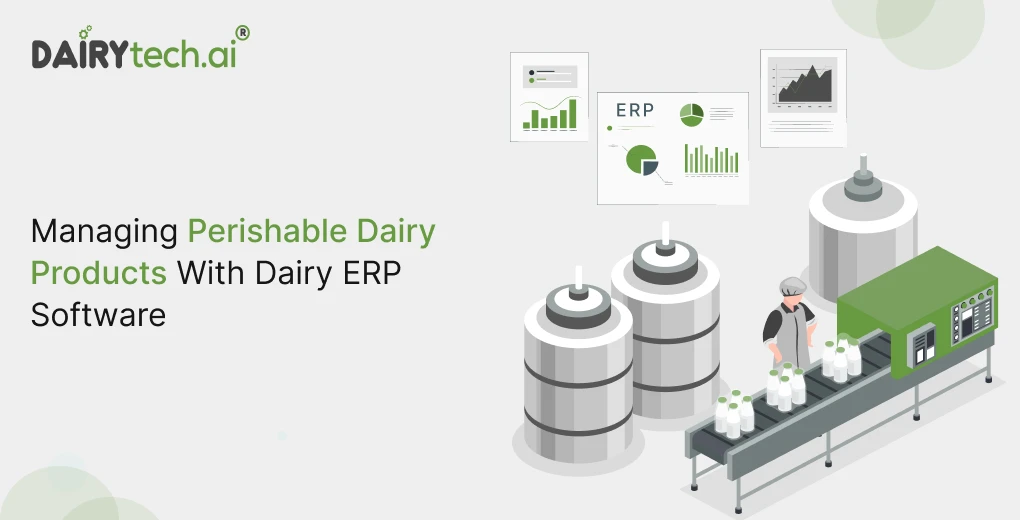
Continue ReadingManaging Perishable Dairy Products With Dairy ERP Software
The dairy industry presents unique challenges due to its highly perishable nature, strict quality standards, and dynamic market conditions. Here are the challenges dairy processors, manufacturers, and distributors in the dairy industry face.
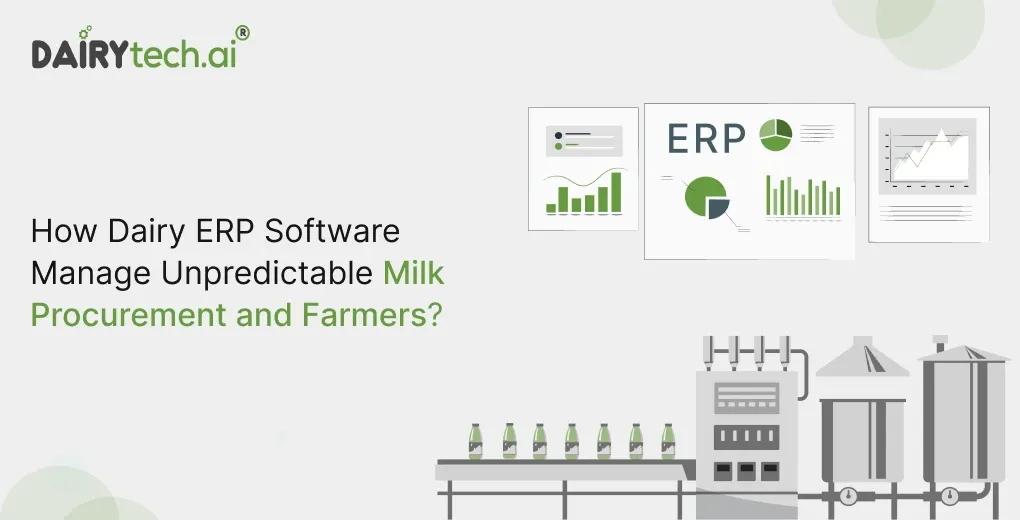
Continue ReadingHow Dairy ERP Software Manage Unpredictable Milk Procurement and Farmers?
Milk procurement is one of the most volatile and operationally complex functions in the dairy value chain. The dairy milk supply fluctuates due to seasonality, animal health, weather conditions, and farmer participation, while processing plants continue to operate against fixed production schedules and strict quality standards.
Continue Reading